
Kratom Shots: What Is Actually in the Bottle
A kratom shot is a liquid extract concentrate sold in a small bottle, usually two ounces. It is not brewed tea and not watered-down powder. A shot is made by extracting alkaloids from leaf and concentrating them into a small volume. That concentration is the entire point, and it is also the entire risk. One shot can carry as much mitragynine as several grams of powder. The number that matters is the milligrams of mitragynine on the label, not the size of the bottle.
How Shots Are Made
Shots begin with an extract. Producers pull the alkaloids out of leaf using water or solvents, then concentrate the result into a liquid. The finished shot is far stronger by volume than the leaf it came from. This is the same concentration logic behind other extract products, explained fully in kratom extracts explained. Because a shot is concentrated, a "normal" swallow is not a normal amount of alkaloid.
Reading the Milligram Label
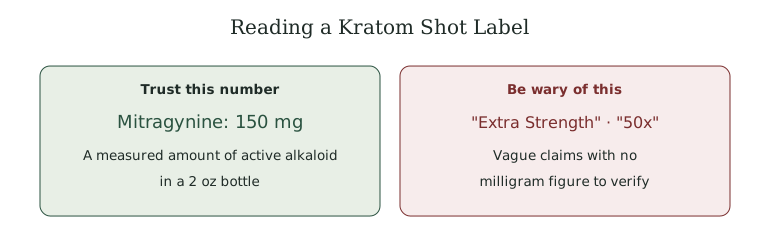
The honest shots print a mitragynine figure, and that number is everything. A label reading "150 mg mitragynine" tells you the measured active amount in the bottle. A label reading only "Extra Strength" or "50x" tells you nothing you can verify. Compare a shot to powder through that figure. If a gram of leaf carries roughly 10 to 20 milligrams of mitragynine, a 150-milligram shot equals several grams of powder in one swallow. Do that math before you drink, using the serving framework in the kratom dosage guide.
Shot vs Powder Potency
The gap between shots and powder is large and easy to underestimate. Powder is measured in grams you weigh yourself. A shot is measured in milligrams already concentrated for you. That convenience removes the weighing step and, with it, some of your control. The full comparison lives in extract vs powder. A newcomer who is comfortable with powder should approach their first shot as a much larger serving, not an equivalent one.
Additives to Check
Shots often contain more than kratom. Sweeteners, preservatives, flavorings, and sometimes other botanicals ride along in the bottle. Read the full ingredient panel, not just the mitragynine figure. Some products also add concentrated 7-hydroxymitragynine, which changes the risk profile and is a reason for extra caution. The related concentrated formats are covered in nano kratom explained. If a shot hides its ingredients, read that as the answer.
Why Shots Exist at All
Shots solve real problems for some consumers. They are portable, they skip the taste of powder, and they carry a printed serving in milligrams. For a traveler or someone who dislikes brewing, those benefits are genuine. The tradeoff is control and cost. A shot hands you a fixed, concentrated amount, which removes the fine adjustment that weighing powder allows. Understanding that tradeoff is the point of this page. A shot is not a beginner's tool. It is a convenience product best used by someone who already knows their response to leaf.
The Nano and Enhanced Shot Trend
A newer category markets "nano" or "enhanced" shots, claiming better absorption through smaller particle sizes or added ingredients. The science behind these claims is thin, and the marketing runs well ahead of the evidence. Regard any absorption claim as unproven until a certificate of analysis and real data back it. The concentrated-format landscape, including these products, is mapped in nano kratom explained. When a product's main selling point is a mechanism you cannot verify, the safest assumption is that the milligram figure on the label is the only fact you actually have.
What a Shot Does to Tolerance
Concentrated formats can move tolerance faster than leaf, and shots are the most concentrated common format. The logic is simple. A larger amount of mitragynine, delivered regularly, gives the body more to adapt to. Someone who moves from a few grams of powder to a daily 150-milligram shot has raised their intake sharply, often without noticing, because the bottle looks small. Research on kratom points to frequency and amount both mattering for dependence risk, and a shot raises both at once if it becomes a daily habit. The safer pattern is to use shots as occasional convenience, not a daily replacement for measured leaf. If a shot becomes your everyday format, your intake has probably climbed higher than you intended.
Who Should Skip Shots Entirely
Some people are better off avoiding shots altogether, and it is worth being direct about who. Anyone brand new to kratom should start with weighable leaf, not a concentrated bottle, because learning your baseline requires the fine control powder gives. Anyone taking prescription medication should be especially cautious, since a concentrated amount raises interaction stakes. And anyone prone to escalating a habit may find a convenient daily shot harder to keep in check than the deliberate ritual of measuring powder. Shots are a tool for the experienced and the occasional, not a default for everyone. Matching the format to the person is the honest advice, even when it points away from the more profitable product.
Checking a Shot Before You Buy
Vet a shot the same way you would vet any concentrated product, in order. First, find the mitragynine figure in milligrams and confirm it is printed clearly, not implied by a vague strength claim. Secondly, locate the certificate of analysis and match its lot number to the bottle. Thirdly, read the full ingredient list for added botanicals, sweeteners, or concentrated 7-hydroxymitragynine. Fourthly, divide price by milligrams to see the true cost. A shot that passes all four checks is a legitimate convenience product. A shot that fails any of them is a guess in a bottle, and there is no reason to pay a premium for a guess. The whole verification habit ties back to reading lab documents, the single most protective skill a kratom buyer can learn.
Price Per Milligram
Shots are the most expensive way to consume kratom, measured honestly. Divide the price by the milligrams of mitragynine and compare that to powder's cost per gram. The convenience and portability are real, and so is the premium. For readers who want the vetted options, the buyer's view is in best kratom shots reviewed. The compare-everything overview sits in kratom format comparison. Pay for convenience with open eyes, and always by the milligram. New to the plant itself? Start with kratom basics.
Frequently Asked Questions
How strong is a kratom shot compared to powder?
Much stronger by volume. If a gram of leaf carries roughly 10 to 20 milligrams of mitragynine, a 150-milligram shot can equal several grams of powder in one small bottle.
What should I look for on a kratom shot label?
The measured mitragynine in milligrams. Trust that figure over vague claims like 'Extra Strength' or '50x,' and read the full ingredient panel for additives.
Are kratom shots worth the price?
They are the most expensive format per milligram of mitragynine. You pay a premium for convenience and portability, so compare price per milligram against powder's cost per gram.