
Red vs Green vs White Kratom: The Honest Comparison
Red, green, and white are the three main kratom vein colors, and the honest comparison comes down to processing and reputation, not proven effects. All three come from the same plant. What separates them is drying: reds get the longest, whites the shortest, greens the middle. The reported character differences you see everywhere come from user surveys, not controlled trials. This comparison lays the three side by side fairly, so you can pick a starting point without believing any color is magic.
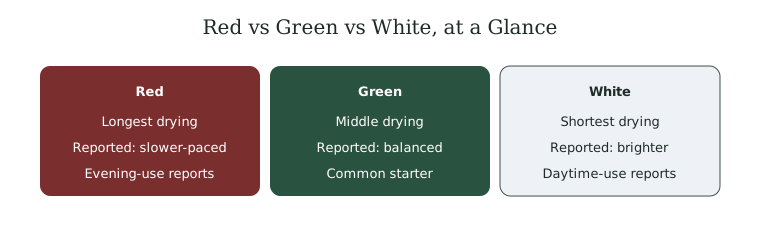
The Side-by-Side Comparison
Here is how the three colors line up on the factors that actually differ:
| Factor | Red vein | Green vein | White vein |
|---|---|---|---|
| Processing | Longest drying, sometimes fermentation | Middle-length drying | Shortest drying, early harvest |
| Reported character | Slower-paced | Balanced | Brighter |
| Typical use-case (per surveys) | Evening | Anytime | Daytime |
| Common for beginners? | Yes, popular first red | Yes, often recommended | Less common first choice |
| Evidence basis | User surveys | User surveys | User surveys |
Notice the bottom row. Every character claim rests on the same survey basis, which is why no color is objectively stronger or better. Full detail on each lives in the red vein kratom guide, the green vein kratom guide, and the white vein kratom guide.
When Each Vein Disappoints
An honest comparison names the letdowns, not just the strengths. A red can feel too slow-paced for someone who wanted daytime function. A white can feel too sharp for someone seeking calm. A green, by aiming for balance, can feel unremarkable to someone expecting a strong pull in either direction. None of this is a defect. It is the mismatch between a survey reputation and an individual's actual response, which no color can guarantee. This is exactly why weighing a consistent serving and keeping notes beats chasing a color's reputation.
The Maeng Da Wrinkle
Grades like Maeng Da cut across all three colors and can muddy the comparison. A Red Maeng Da and a plain Red Bali are both reds, but the Maeng Da grade adds a premium claim on top. The grade does not change the color's fundamental processing story. Decode grades separately from colors, using the strain chart and the individual profiles, and the comparison stays clean. See how the colors map to the full market in the kratom strain chart.
How to Choose Between Them
Choose a starting color by when you plan to use kratom and what survey reputation appeals to you, then let your own experience take over. Try one color at a time, weigh a consistent serving from the kratom dosage guide, and keep notes before switching. Ground the fundamentals in kratom 101. The color is a starting filter, not a destiny. Within a couple of careful weeks, your own notes will tell you far more than any comparison table can.
Grades Layered on Colors
One more layer complicates the three-color comparison, and it is worth naming. Grades and region names sit on top of the color system, so you rarely shop for a plain "red" or "white." You shop for a Red Bali, a White Maeng Da, a Green Borneo. Each of those is a color plus a label. When comparing veins, mentally strip away the grade and the region name and ask what color the product actually is. That reduces a confusing wall of strain names to the three simple processing paths this page compares, and it keeps you from paying a premium for a name when a color is all you actually wanted.
The Bottom Line
Red, green, and white differ by drying process and survey reputation, not by proven effect. Reds lean slower-paced, whites brighter, greens balanced, and all three claims rest on user reports rather than trials. No color is stronger or better in the abstract, and each can disappoint when its reputation does not match your response. Pick a color as a starting point, weigh a consistent serving, keep notes, and verify every product by its certificate of analysis. The colors are three processing paths from one plant, and the right one is simply the one that fits you. Strip away the grades and region names, pick a color as a starting filter, and let your own careful notes do the rest of the deciding. A color points you in a direction, a lab result confirms the product, and your notes tell you whether the choice actually fit. That sequence beats every confident claim a strain chart can make.
Frequently Asked Questions
What is the difference between red, green, and white kratom?
The difference is drying. Reds get the longest drying, whites the shortest, greens the middle. The reported character differences come from user surveys, not controlled trials.
Which vein color is strongest?
No color is inherently strongest. Strength depends on the measured mitragynine percentage, not the vein. Reds, greens, and whites simply carry different survey reputations.
Which kratom color is best for beginners?
Greens are often recommended for their balanced reputation, and reds are a popular first choice too. Start with one color, weigh a consistent serving, and keep notes before switching.