
Kratom Gummies: Dosing — Labels — and What to Check Before Buying
Kratom gummies are extract-infused chews that deliver a fixed amount of kratom per piece. They are made by blending a kratom extract into a gummy base, then portioning it into individual pieces. The appeal is obvious: no weighing, no taste of raw powder, and a consistent amount every time. The catch is in the label. A gummy that says "500mg" may be telling you the extract weight, not the active alkaloid, and those are very different numbers. Reading the label correctly is the whole skill here.
What Kratom Gummies Are
A gummy is a delivery format, not a strain. Producers concentrate leaf into an extract, then infuse that extract into a chewable base with sweeteners and gelling agents. This puts gummies in the same broad family as other concentrated products, explained in kratom extracts explained. Because the active material is a concentrate, a single gummy can carry the equivalent of a meaningful serving of leaf, which is why the per-piece number matters so much.
The "500mg" Labeling Problem
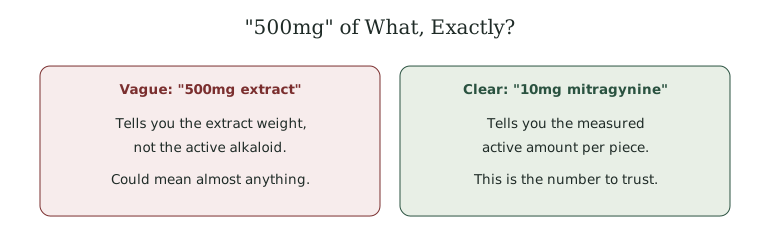
The biggest trap with gummies is the milligram claim. A label reading "500mg" is ambiguous on purpose. It might mean 500 milligrams of kratom extract, which tells you the weight of the concentrate but nothing about its strength. What you actually need is the milligrams of mitragynine, the active alkaloid. A gummy that prints "10mg mitragynine per piece" is being honest with you. A gummy that prints only "500mg extract" is hiding the number that counts. Always look for the mitragynine figure, and if it is missing, assume the product is not being straight with you.
The Consistency Advantage
Gummies do have a real strength: consistency. Once a batch is made correctly, every piece carries the same amount, which removes the weighing step and the grind-density guesswork that trips up powder users. For someone who values a fixed, repeatable amount, that is a genuine benefit. The catch is that consistency only helps if the labeled amount is accurate and verifiable, which loops straight back to the certificate of analysis. A consistent piece of a mislabeled product is just a reliable way to take the wrong amount.
Sugar and the Ingredient Panel
Gummies are candy, and the ingredient panel deserves a real look. Beyond the kratom extract, you are getting sugar or sweeteners, gelatin or pectin, colorings, and flavorings. For anyone watching sugar intake, several gummies a day adds up. The nutrition side of kratom products is covered in kratom calories and macros. Read the full panel, not just the front-of-package claim, and factor the extras into whether a gummy is the right format for you.
Onset Compared to Powder
Gummies work differently from powder in timing. Because they are chewed and digested, onset can be slower and gentler than tea or toss-and-wash powder, since the active material has to survive digestion first. Some of the alkaloid contacts the mouth and is absorbed sooner, but the bulk goes through the gut. The practical takeaway is patience. Wait the full onset window before deciding a gummy "did nothing," and never stack a second piece early. The serving discipline in the kratom dosage guide applies to gummies exactly as it does to powder.
How to Vet a Gummy COA
Vet a gummy the way you would vet any concentrated product. First, find the certificate of analysis and confirm it lists milligrams of mitragynine per piece, not just total extract weight. Secondly, match the lot number to the package. Thirdly, check the contaminant screens, since extracts concentrate whatever was in the leaf. Fourthly, read the ingredient panel for added botanicals. The complete method is in how to read a kratom COA. A gummy that passes all four checks is a legitimate convenience product. One that fails any of them is candy with an unknown amount inside.
Gummies Versus Other Convenience Formats
Among convenience formats, gummies compete with capsules and shots, and each trades off differently. Capsules deliver plain leaf in a measured shell, so their strength is easy to reason about and their ingredient list is short. Gummies deliver an extract in a candy base, which adds sugar and flavorings but also a chewable, portable form many people prefer. Shots deliver the most concentrated amount in a liquid, at the highest cost per milligram. The right pick depends on what you value. If you want the simplest ingredient panel, capsules win. If you want portability and taste and you have verified the mitragynine figure, gummies are reasonable. If you want maximum concentration in the smallest package and you already know your response, a shot fits. None of these changes the underlying leaf. They change convenience, cost, and how honest the label tends to be, and gummies sit in the middle of that spectrum. The habit that protects you across all three is the same: read the milligram figure, verify the certificate of analysis, and compare price per milligram before deciding.
Who Gummies Suit, and Who Should Skip Them
Gummies fit some people well and serve others poorly. They suit consumers who value convenience, a fixed repeatable amount, and no taste of raw leaf, and who have found a brand that prints honest mitragynine figures. They fit poorly for beginners still learning their baseline, since the fixed amount removes the fine control that weighing powder gives. They also suit sugar-conscious buyers poorly if several pieces a day are needed. And anyone taking prescription medication should be cautious, since a concentrated extract raises interaction stakes. Matching the format to the person is the honest advice, even when it points a shopper away from the more profitable product. A gummy is a good tool for the right consumer and a poor default for everyone else.
The Buying Checklist
Buy kratom gummies on the numbers, not the packaging. Confirm the mitragynine per piece, verify the certificate of analysis, read the full ingredient panel, and compare price per milligram against powder and other formats in kratom format comparison. New to kratom entirely? Ground the basics first in kratom basics. Gummies are a reasonable format for people who value convenience and consistency, as long as the label tells the truth. The whole edibles category, including tablets and other chews, is covered in kratom edibles guide.
Frequently Asked Questions
What does 500mg mean on a kratom gummy?
It is often ambiguous. It may mean 500 milligrams of extract, which is the concentrate weight, not the active alkaloid. Look for milligrams of mitragynine per piece instead.
Are kratom gummies stronger than powder?
They are concentrated, so a single gummy can equal a meaningful serving of leaf. The active amount depends on the mitragynine per piece, which is why the label figure matters.
Do kratom gummies work slower than powder?
Often, yes. Because they are chewed and digested, onset can be slower and gentler. Wait the full onset window before deciding, and do not stack a second piece early.