
Kratom Extracts: Types — Strength Ratings — and the Truth About Them
Kratom extracts are concentrated products that pack far more mitragynine into a smaller amount than leaf powder. They are made by pulling the alkaloids out of the leaf and concentrating them, producing liquids, resins, powders, or isolates. Extracts are the strongest kratom products available, and that strength cuts both ways: a smaller amount goes further, but the margin for error shrinks and the tolerance costs rise. Understanding the extract taxonomy, decoding marketing ratios like "10x," and respecting the higher stakes are what separate careful extract use from an unpleasant surprise.
The Extract Taxonomy
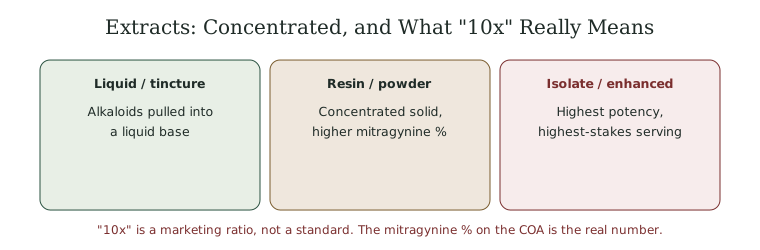
Extracts come in several forms that differ by how concentrated and processed they are. Liquid extracts and tinctures pull alkaloids into a liquid base, covered in the kratom tinctures explained. Resins and extract powders are concentrated solids with a higher mitragynine percentage than leaf. Isolates and enhanced products push concentration furthest, sometimes toward single-alkaloid material. Shots are pre-portioned liquid extracts, covered in kratom shots explained. The common thread is concentration, and the more concentrated the product, the more the certificate of analysis and careful serving matter.
Decoding Extraction Ratios
The "10x," "25x," and similar ratios on extract labels are marketing, not standards. In theory a ratio like 10x implies ten grams of leaf concentrated into one gram of extract, but no standards body defines or audits these numbers, so a 10x from one vendor can differ entirely from another's. The ratio tells you a story about concentration without giving you a verifiable figure. Ignore the ratio and read the mitragynine percentage on the certificate of analysis instead. That percentage is the only number that objectively tells you how strong an extract actually is.
Full-Spectrum and Enhanced Products
Extract marketing leans on terms like "full-spectrum" and "enhanced," which deserve plain definitions. Full-spectrum implies the extract retains the range of the leaf's alkaloids rather than isolating one, which many consumers prefer for a more leaf-like profile. Enhanced leaf means powder that has had extract added back to boost its strength. Both terms describe real processing, but neither is standardized, and both can be used loosely. As always, the certificate of analysis cuts through the vocabulary. See how the underlying chemistry works in kratom potency facts.
The 7-Hydroxymitragynine Caution
Some extracts concentrate or add 7-hydroxymitragynine, and this is where extracts demand the most caution. In natural leaf, 7-hydroxymitragynine exists only in trace amounts, but concentrated 7-OH products are a pharmacologically distinct and higher-risk category, not simply stronger kratom. The chemistry is explained in depth in mitragynine and kratom alkaloids. If an extract emphasizes its 7-OH content, approach it as a different and riskier product than leaf-based extract. This distinction is one of the most important a kratom consumer can learn.
How Extracts Are Made
Understanding the process helps you judge the product. Extraction pulls the alkaloids out of leaf using water, alcohol, or other solvents, then concentrates the result by evaporating the liquid. The full method is covered in how kratom extract is made. Heat and processing can degrade some alkaloids, which is why extract quality varies and why testing matters. A well-made extract has a verified mitragynine percentage and clean contaminant screens. A poorly made one may have degraded alkaloids, residual solvents, or inconsistent strength, none of which you can see from the label.
The Higher Stakes of Extracts
Extracts concentrate potency, which concentrates risk, and this is the honest core of the category. Because a small amount contains a large dose of mitragynine, the margin for error is smaller than with leaf, tolerance can build faster, and mistakes are less forgiving. Follow the serving guidance in the extract vs powder comparison, which covers the tolerance economics honestly. Extracts suit experienced consumers who already know their response to leaf, not newcomers. If you are new to kratom, start with powder and understand your baseline before considering any concentrate.
Vaping and Other Extract Formats
Extracts appear in some formats that warrant specific caution, including vape products. The heat-degradation and unregulated-cart concerns around vaping are covered in kratom vaping facts. The general principle across all extract formats is that concentration raises both potency and the importance of testing. Whatever form an extract takes, from a dropper bottle to a resin to a cartridge, the questions are the same: what is the verified mitragynine content, and does the contaminant screen come back clean.
How to Buy Extracts Well
Buy extracts with more scrutiny than any other format. First, find the certificate of analysis and read the mitragynine percentage, ignoring the marketing ratio. Secondly, check whether the product emphasizes 7-OH, and if so, regard it as a distinct higher-risk category. Thirdly, confirm clean contaminant and solvent screens, since extraction can leave residues. The full method is in how to read a kratom COA. Ground the fundamentals in kratom basics. An extract's concentration makes the lab result non-negotiable.
Who Extracts Suit
Extracts fit a specific consumer and poorly serve everyone else. They suit experienced users who already know their response to leaf, who understand tolerance, and who want a smaller, more portable, more potent product for that reason. They fit poorly for beginners, since the concentrated potency removes the forgiving margin that leaf provides while someone is still learning. They also suit poorly anyone prone to escalating use, because the ease of taking a large dose in a small volume can accelerate tolerance. Matching the format to the person is the honest advice, and for extracts that means recommending them narrowly rather than broadly. An extract is a tool for someone who has already done their learning on powder, not a shortcut past that learning.
The Bottom Line on Kratom Extracts
Kratom extracts are the most concentrated and potent products on the market, made by pulling and concentrating the leaf's alkaloids into liquids, resins, powders, or isolates. Marketing ratios like "10x" are unverifiable, so the mitragynine percentage on the certificate of analysis is the only honest strength measure. Concentrated 7-OH products are a distinct and higher-risk category, not just stronger kratom. Extracts suit experienced consumers who respect the smaller margin for error and faster tolerance, and they demand the most careful testing of any format. Approached with that caution, extracts have their place. Approached casually, they are the easiest way to get more than you intended.
Frequently Asked Questions
What does 10x mean on a kratom extract?
It is a marketing ratio, not a standard. In theory it implies ten grams of leaf concentrated into one, but no body audits the claim. Read the mitragynine percentage on the certificate of analysis instead.
Are kratom extracts stronger than powder?
Yes, significantly. Extracts concentrate the leaf's alkaloids, so a small amount contains far more mitragynine than powder. This also means a smaller margin for error and faster tolerance.
Are 7-OH extracts the same as kratom?
No. Concentrated 7-hydroxymitragynine products are pharmacologically distinct from leaf and carry higher risks. If an extract emphasizes 7-OH content, approach it as a separate, riskier category.