
Red Bali Kratom: Honest Profile — Reported Effects — Dosage Pointers
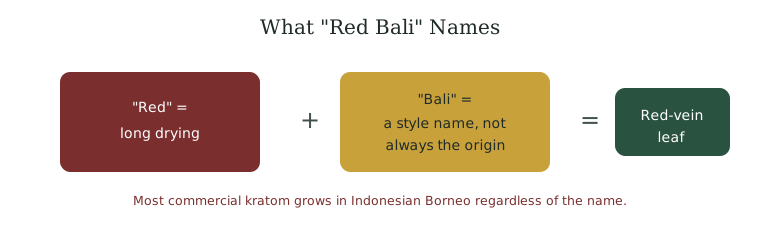
Red Bali is red-vein kratom sold under a regional style name. The name pairs a real vein color with a place. "Red" describes the longest drying process a leaf receives. "Bali" points to the island as the claimed origin, though most commercial kratom actually grows in Indonesian Borneo regardless of the name on the bag. Red Bali is one of the most popular and affordable reds on the market. Knowing that the "Bali" label is a style more than a certified origin is the key to reading it honestly.
What Red Bali Actually Is
Red Bali is red-vein leaf carrying a well-known regional label. The name has been in circulation long enough that it now signals a general style — a widely available, budget-friendly red — more than a strict place of origin. The broader regional context sits in the bali kratom overview. Because the label is a style rather than a certified source, the actual product varies from vendor to vendor, which is exactly why the lab result matters more than the name.
Reported Character
User surveys describe Red Bali the way they describe red vein broadly: a slower-paced quality often mentioned for evening use. These are self-reports, not measured effects, and the reliable evidence for fixed color-to-effect rules is thin. Rather than leaning on the strain's reputation, weigh every product the same way and keep your own notes. The full red-vein framing lives in the red vein kratom guide, which sets honest expectations for the whole color group.
Serving and Format
Approach Red Bali like any red-vein product. Start with a small, weighed serving and adjust slowly on a later day, following the survey-based ranges in the kratom dosage guide. Powder gives the most control over serving size and the lowest cost per gram, which suits Red Bali's budget-friendly reputation. The full method for handling loose powder is in the kratom powder guide. Capsules add convenience and cost, but the serving math underneath stays the same.
"Wild-Harvested" Claims Decoded
Red Bali is often marketed as "wild-harvested," and the phrase deserves a clear eye. Wild-harvested implies leaf gathered from mature, naturally growing trees rather than cultivated plots. It sounds premium. In practice, the claim is unregulated and unverifiable from the label alone. No standards body audits it. Judge a "wild-harvested" Red Bali the same way you judge any product: by the certificate of analysis, not the romantic sourcing story. The mitragynine figure is real. The harvesting adjective is marketing until a lab result backs the price.
Brand Versions and Red Bali vs Red Maeng Da
Red Bali appears under many brands, including lines like Krave, and the brand rarely changes what the leaf fundamentally is. People most often weigh Red Bali against Red Maeng Da, choosing between an affordable, widely available red and a premium-graded one. The honest side-by-side is in red bali vs red maeng da. There is also a related blend worth knowing, covered in red dragon profile. Across all of them, the shared foundation is long-dried red-vein leaf.
How to Buy Red Bali Well
Buy Red Bali on the lab result, not the label. First, read the mitragynine percentage on the certificate of analysis. Secondly, match the lot number to the package. Thirdly, ignore "wild-harvested" and brand flourishes unless the testing supports the price. Ground the fundamentals in kratom basics if any of this is new. Red Bali's appeal is that it is affordable and easy to find. That appeal only holds if the affordable product is also a tested one, and the certificate of analysis is what confirms it.
Powder Versus Capsules for Red Bali
Red Bali is sold as both powder and capsules, and the choice comes down to control versus convenience. Powder is the cheaper option and lets you weigh an exact serving, which matters most while you are still learning your response to a new red. It also fits Red Bali's budget-friendly reputation, since you pay only for leaf rather than for encapsulation. Capsules cost more and remove the weighing step, trading precision for the convenience of a fixed, tasteless dose you can carry anywhere. Neither is wrong. A newcomer is usually better served by powder, where a weighed serving keeps the early experiments controlled and inexpensive. Someone who already knows their Red Bali serving and values portability may reasonably pay the capsule premium. Across both formats the leaf is the same long-dried red vein, and the serving math is identical underneath. The format is a lifestyle decision, and the certificate of analysis remains the part that actually determines whether the product is worth buying at all.
A Sensible First Order
If Red Bali is your entry into red vein, a simple first order protects you. Choose powder for the most serving control and the best value, which fits Red Bali's affordable reputation. Buy a small quantity first, since a strain you have not tried is not yet one to stock in bulk. Confirm the certificate of analysis and read the mitragynine figure before paying. Start with a small weighed serving and keep honest notes across a couple of days rather than judging it in one sitting. This costs little and teaches you your own response to a red vein before any larger commitment. Red Bali's whole appeal is being affordable and easy to find, and a careful first order is what turns that appeal into a genuinely good value rather than a cheap guess.
The Bottom Line on Red Bali
Red Bali is a popular, budget-friendly red-vein product wearing a familiar regional name. The red vein is real. The "Bali" origin is a style label more than a certified source, and the "wild-harvested" tag is marketing until proven. Judge the product by the lab result, buy powder for control and value, and keep notes on your own response. Approached that way, Red Bali is one of the most sensible starting reds available. Approached on the strength of its name and sourcing story alone, it is a guess dressed in familiar words. The mitragynine figure on the certificate settles what the label only suggests.
Frequently Asked Questions
Where does Red Bali kratom come from?
The Bali name is a style label. Most commercial kratom, including Red Bali, grows in Indonesian Borneo regardless of the regional name on the package.
Is wild-harvested Red Bali better?
The claim is unregulated and unverifiable from the label. Judge a wild-harvested Red Bali by its certificate of analysis, not the sourcing story, since no standards body audits the term.
Is Red Bali good for beginners?
Red Bali is an affordable, widely available red that many new consumers start with. Begin with a small weighed serving of powder and verify the product's lab result.