
How Often Can You Take Kratom? The Tolerance Question Answered Honestly
How often you take kratom matters more than most people realize, and it is the question many vendors would rather not discuss. Frequency, more than the size of any single serving, is what research links most strongly to tolerance, dependence, and withdrawal. This page lays out honestly what the evidence shows about kratom frequency, how tolerance builds, and where the line toward dependence lies. It is the page competitors often will not write, because the honest answer, use less often, is not what sells more product.
What Surveys Show About Frequency
Large surveys give a reasonably clear picture of how people use kratom and what follows. In a 2020 study in Drug and Alcohol Dependence, Albert Garcia-Romeu and colleagues surveyed nearly 2,800 users and found daily use was the most common pattern, yet serious kratom-related substance use disorder was uncommon, with about 2 percent meeting the threshold (Garcia-Romeu et al., 2020). So daily use is widespread and, for many, not clearly problematic. But that reassuring average hides an important detail about how frequency specifically drives the risks, which the next section covers. Ground your serving approach first in the kratom dosage guide.
Frequency Drives Withdrawal More Than Amount
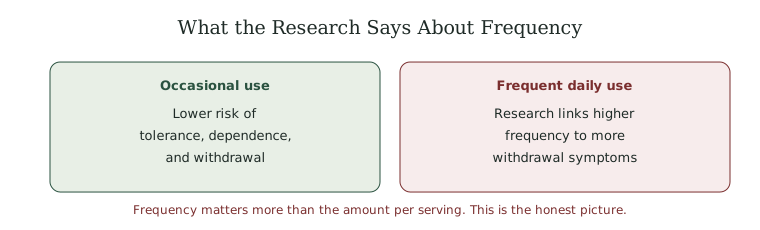
The single most useful finding on this topic is about frequency versus amount. In a 2024 study in Drug and Alcohol Dependence, Jeffrey Rogers and colleagues examined how dosing amount and frequency relate to outcomes, and found that withdrawal and use-disorder symptoms tracked more closely with how often people used kratom than with how much they took per serving (Rogers et al., 2024). The practical lesson is direct. Spacing out your use is more protective than simply keeping each serving small. Someone taking a moderate amount many times a day is at higher risk than someone taking a similar amount occasionally.
How Tolerance Builds
Tolerance is the body adapting to regular exposure, so that the same amount produces less effect over time. With kratom, frequent use builds tolerance, which tempts people to increase their amount or frequency to compensate, a cycle that raises risk. The honest framing is that tolerance is not a moral failing but a predictable biological response to frequent use. The way to keep tolerance low is to keep frequency low. Occasional users generally maintain a stable, effective relationship with kratom, while daily-and-escalating users are the ones who tend to find themselves needing more for less.
The Dependence Question, Honestly
Dependence is where honesty matters most, and where the evidence deserves plain presentation. Regular kratom use can lead to physical dependence, meaning tolerance, withdrawal on stopping, or using to avoid withdrawal. In a 2014 study in Drug and Alcohol Dependence, Darshan Singh and colleagues found that most regular long-term users in Malaysia developed some degree of dependence, with withdrawal symptoms like muscle aches, sleep difficulty, and irritability on cessation (Singh et al., 2014). At the same time, the Garcia-Romeu survey found serious use disorder uncommon in a US sample. The honest synthesis is that physical dependence is a real possibility with frequent regular use, that it is more likely the more often you use, and that it is manageable and less common when use stays occasional. This is not a reason for alarm, but it is a reason for honesty.
Frequency and the Kratom Hangover
Frequency also affects the short-term aftereffects some users call a kratom hangover, covered in the kratom hangover explained. Frequent, heavy use is more likely to produce next-day grogginess, dehydration, and fatigue than occasional moderate use. Spacing out your use gives your body time to clear the alkaloids and reduces the odds of these aftereffects. As with tolerance and dependence, the pattern is consistent: less frequent use is gentler on the body across the board.
Practical Frequency Guidance
The evidence points to clear, honest guidance. If you want to keep tolerance, dependence, and aftereffects low, use kratom occasionally rather than daily, and avoid using many times per day. Some people rotate strains or take regular breaks to manage tolerance, and timing relative to meals is covered in kratom and food timing. Ground the fundamentals in kratom basics. There is no official safe frequency, but the research consistently favors less-frequent use, and the consumer who takes that seriously is the one most likely to keep their relationship with kratom stable and low-risk.
The Bottom Line on Kratom Frequency
How often you take kratom is the most important variable in managing its risks, more important than the size of any single serving. Research links frequency more strongly than amount to withdrawal and use-disorder symptoms, and regular daily use can lead to real physical dependence, even as serious use disorder remains uncommon in survey populations. The honest, unglamorous advice is to use kratom occasionally rather than daily, space out your servings, and take breaks. This is the guidance that protects you, even though it is not the guidance that sells the most product. Frequency is the lever you control, and using it less often is the single most protective choice you can make.
What Occasional Use Looks Like
Since the guidance here points toward occasional rather than daily use, it helps to describe what that actually means in practice. Occasional use means kratom is not part of your daily routine, not something your body comes to expect at the same time each day, and not a substance you reach for automatically. For different people this might mean a few times a week or less, with genuine breaks in between rather than a token skipped day. The key marker is that stopping for a stretch produces no meaningful discomfort, which indicates your body has not adapted to regular exposure. If skipping kratom for a few days brings on restlessness, irritability, or the aches associated with withdrawal, that is a signal use has become frequent enough to build dependence, and a signal to cut back. Occasional use, by contrast, keeps kratom a discretionary choice rather than a daily need, which is exactly the relationship the research suggests carries the least risk.
It is worth stating plainly why this page exists in the form it does. Much of the kratom market has a financial interest in more frequent use, since a customer who takes kratom many times a day buys more of it. That incentive shapes a great deal of the content available online, which tends to normalize daily and heavy use while staying quiet about frequency's role in dependence. This resource takes the opposite approach on purpose. The honest reading of the research favors less frequent use, and saying so clearly serves the reader even when it does not serve sales. If a source encourages you to use kratom more often without ever mentioning the frequency-dependence link, that silence is itself information about whose interests the source is serving. The evidence is not ambiguous on the direction: less often is safer, and any honest guide will tell you so.
Frequently Asked Questions
How often is it safe to take kratom?
There is no official safe frequency, but research consistently favors occasional over daily use. Withdrawal and dependence track more closely with how often you use than with how much you take per serving.
Does kratom cause dependence?
Regular frequent use can lead to physical dependence, meaning tolerance and withdrawal on stopping. Studies find this more likely the more often you use, though serious use disorder is uncommon in survey populations.
Is it better to take a smaller amount more often or a larger amount less often?
Research suggests less often is more protective. Withdrawal and use-disorder symptoms track more closely with frequency than with amount, so spacing out use matters more than keeping each serving small.