Bali Kratom: What the Region Label Really Tells You
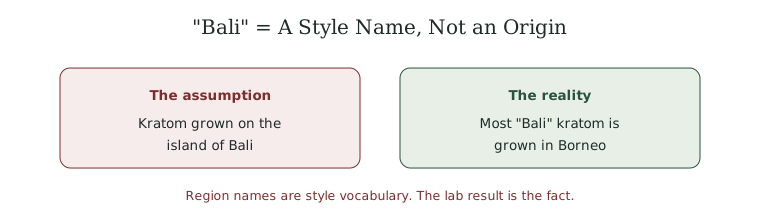
Bali kratom is one of the most recognized names on the market, and the name is more style than origin. Despite what "Bali" implies, most kratom sold under this name is not grown on the island of Bali. It is grown in Borneo, like the majority of commercial kratom, and sold under the familiar Bali label. Bali functions as a general style name for a widely available, affordable kratom rather than a certified place of origin. Knowing that saves you from paying for a geography that usually is not real.
The Region-Name Truth
The Bali name is a naming convention, not a supply fact. Kratom labeled Bali is overwhelmingly grown in Indonesian Borneo, where the climate and established farms produce most of the world's commercial supply. The Bali label stuck as a market style, possibly tied to historical shipping routes, and it now signals a familiar, budget-friendly product more than a location. Ground the plant and its geography in the kratom plant. When you see Bali, read it as a style you can expect to find widely and affordably, not as a guarantee of island origin.
Red, Green, White, and Gold Bali
Bali comes in every vein color, since the region name rides on top of the color system. Each has its own character and profile:
- red bali kratom — the most popular Bali, an affordable red.
- white bali kratom — the early-harvest, short-dried Bali.
- gold kratom explained — the extended-dry or fermented style often sold as Gold Bali.
Greens under the Bali name follow the same pattern as other greens, covered in the green vein kratom guide.
Reported Character
User surveys describe Bali kratom in line with whatever color it carries, since the Bali name itself does not change the leaf. A Red Bali reads like other reds in the surveys, a White Bali like other whites. These are self-reports, not proven effects, and the reliable evidence for fixed color-to-effect rules is thin. The Bali name adds familiarity and availability, not a distinct promised character. Weigh every Bali the same way and let your own notes guide you rather than the reputation of the label.
Brand Versions and Comparisons
Bali appears under many brands, including retail lines like Krave and Kratom Kaps, and the brand rarely changes what the leaf fundamentally is. People most often weigh Red Bali against Red Maeng Da, an affordable region-style red versus a premium-graded one. The honest side-by-side is in red bali vs red maeng da. Bali also sits near the Indo style, another Indonesian regional name, covered in indo kratom guide. Across all of these, the shared reality is Borneo-grown leaf under different labels.
How to Buy Bali Well
Buy Bali on the lab result, not the label. First, read the mitragynine percentage on the certificate of analysis. Secondly, confirm the lot number matches the package. Thirdly, ignore the island implication and any premium the testing does not support. Browse the full lineup in types of kratom. Bali's genuine appeal is that it is affordable and easy to find, and that appeal only holds if the affordable product is also tested. The name gives you familiarity. The certificate of analysis gives you the facts.
Gold and Yellow Bali
Beyond red, white, and green, Bali appears in gold and yellow versions, and these deserve a quick note. Gold and yellow are not separate veins. They are the result of an extended drying or light fermentation process applied to the leaf, which shifts its color toward gold. A Gold Bali, then, is Bali-style leaf given that specialty processing. The reported character follows the same survey-based, unproven pattern as every other color, and the quality still depends entirely on the vendor's testing. Read gold and yellow names as processing descriptions layered onto the Bali style, and verify them the same way you verify anything, through the certificate of analysis.
Why Bali Became a Default Name
Bali earned its place as a default kratom name through familiarity and availability rather than any special quality. It was one of the earliest widely marketed kratom styles in the West, so it became a household name in the community before many other labels existed. That head start made it the affordable, easy-to-find option it remains today. New consumers often encounter Bali first simply because it is everywhere. Understanding that its prominence comes from marketing history, not from a superior leaf, helps you weigh it fairly against newer or premium-named products that may cost more for no measurable reason.
Bali in a First Order
For a first kratom purchase, Bali is a reasonable and low-risk choice when approached carefully. Choose powder for the most control and the lowest cost, matching Bali's budget-friendly reputation. Buy a modest quantity rather than a large bag, since a product you have not tried is not yet one to stock. Confirm the certificate of analysis and read the mitragynine figure before paying. Start with a small weighed serving and keep notes across a couple of days. This approach turns Bali's genuine advantages, affordability and availability, into real value, while the lab result protects you from the one risk a familiar name cannot address, which is whether the specific product was actually tested.
The Bottom Line on Bali Kratom
Bali kratom is a familiar, budget-friendly style name rather than a certified origin, and most of it is grown in Borneo like the rest of the market. It comes in every color, with the Bali name riding on top of the normal color system and adding availability rather than a distinct promised character. Judge any Bali by its certificate of analysis, not by the island the name implies, and you get the real value of an affordable, widely stocked product without paying for a geography that usually is not there. The label is convenient shorthand. The lab result is what actually matters. Seen that way, Bali is neither overhyped nor dismissed, just a familiar and affordable starting point whose real quality, like every kratom product, lives in the testing rather than the name.
Frequently Asked Questions
Is Bali kratom actually from Bali?
Usually not. Most kratom sold as Bali is grown in Indonesian Borneo, like the majority of commercial kratom. Bali is a style name more than a certified origin.
What colors does Bali kratom come in?
All of them. Red Bali is the most popular, and there are white and gold versions too. The Bali name rides on top of the normal color system rather than changing the leaf.
Is Bali kratom good quality?
It can be, but the name does not guarantee it. Bali is a familiar, affordable style, and its quality depends on the vendor's testing. Verify the mitragynine percentage on the certificate of analysis.