
The Kratom Hangover: Why It Happens and What Users Report Helps
The kratom hangover is the next-day grogginess, fatigue, and foggy feeling some people report after using kratom, particularly at larger servings. It is not a hangover in the alcohol sense, but the label captures the experience: waking up the following day feeling less than fresh, a bit sluggish and worn even without having done anything the night before. The honest news is that the causes are well understood and mostly preventable, and the fix is the one competitors are reluctant to lead with because it means using less. This page covers the symptom profile, the real causes behind it, how long it tends to last, and the honest prevention that actually works.
The Symptom Profile
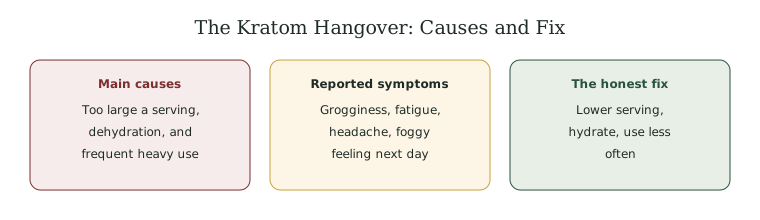
The kratom hangover shows up as a cluster of next-day effects. People report grogginess, fatigue, a foggy or dull feeling, mild headache, and sometimes nausea or irritability the morning after use, especially after a large serving or evening use. These are generally mild and pass on their own, more an unpleasant sluggishness than anything alarming. Not everyone experiences it, and those who use moderate servings occasionally often never do. The people most likely to report a kratom hangover are those who took a larger-than-usual amount, used late in the day, did not hydrate well, or use frequently. Recognizing the pattern is the first step to avoiding it, since almost everyone who experiences the kratom hangover shares one or more of these habits.
The Real Causes
The kratom hangover has three main drivers, and naming them points straight to the solution. The first is serving size: larger servings are far more likely to produce next-day effects than moderate ones, since your body has more alkaloids to process and clear. The second is dehydration, since kratom's mild drying effect, covered in kratom and hydration, contributes directly to the groggy, headachy feeling, exactly as dehydration does with alcohol. The third is quality and frequency: frequent heavy use gives the body less time to recover between servings, compounding the effect. Ground your serving in the kratom dosage guide. These three causes are all within your control, which is what makes the hangover so preventable.
How Long It Lasts
Duration reports are reassuring. The kratom hangover typically resolves within the morning or over the course of the day, rather than lingering for days. Most people who experience it feel back to normal within several hours of waking, especially once they hydrate and eat. A hangover that persists longer, or recurs regularly, is a signal that use patterns need adjusting, particularly serving size and frequency. The short duration is consistent with the causes: as the body clears the remaining alkaloids and you rehydrate, the effects fade. If a foggy feeling stretches well into a second day, that points toward frequency and dependence considerations rather than a simple next-day hangover.
The Honest Prevention
Here is the prevention competitors are reluctant to emphasize, because it means using less rather than buying more. The single most effective way to head off a kratom hangover is to take a smaller serving. Beyond that, hydrate well before, during, and after, since dehydration is a major contributor. Avoid using late at night if morning grogginess is your problem, giving your body time to clear the alkaloids before you wake. And keep your frequency low, following kratom frequency and tolerance, since frequent heavy use is strongly linked to next-day effects. None of these prevention steps involves a product to buy, which is precisely why some sources gloss over them. The honest answer to a kratom hangover is moderation, not a remedy.
What Actually Helps the Morning After
If you already have a kratom hangover, a few honest measures help it pass. Rehydrate steadily, since replacing fluid addresses one of the main causes directly. Eat something, since a light meal helps you feel more normal. Rest if you can, giving your body time to finish clearing the alkaloids. Gentle movement and fresh air help some people shake the fog. What does not help is taking more kratom to feel better, which only restarts the cycle and deepens the pattern that caused the hangover. Ground the fundamentals in kratom 101. The morning-after measures are supportive, but the real fix happens the day before, in the serving you choose.
Who Experiences It Most
It helps to know who is most and least likely to experience a kratom hangover, since the pattern reinforces the prevention. The people who report it most are those who take large servings, who use late in the evening, who do not hydrate well, and who use kratom frequently and heavily. The people who rarely or never report it are those who use moderate servings occasionally, who hydrate as a matter of habit, and who avoid late-night use. This divide is not random. It tracks exactly with the three causes, which means your own likelihood of a hangover is largely a reflection of your habits rather than bad luck. If you find yourself regularly waking up groggy after kratom, that is useful information: it points directly at which of your habits to adjust, whether that is trimming your serving, drinking more water, shifting your timing earlier, or spacing out your use. The hangover, in this sense, is a feedback signal worth heeding rather than simply enduring, and the people who listen to it rarely keep experiencing it.
The Bottom Line on the Kratom Hangover
The kratom hangover is next-day grogginess, fatigue, and fogginess reported mainly after larger servings, late use, poor hydration, or frequent heavy use. It is generally mild and passes within the morning or day, and not everyone experiences it. The three real causes, serving size, dehydration, and frequency, are all within your control, which makes the hangover highly preventable. The honest prevention is to take smaller servings, hydrate well, avoid late-night use, and keep frequency low, none of which involves buying anything. If you already have one, rehydrate, eat, and rest, but never take more kratom to chase it away. The morning-after fix is real but limited, while the true solution is the serving you chose the day before. Get that right, hydrate as a habit, and the kratom hangover becomes a rare exception rather than a regular part of your experience.
Frequently Asked Questions
What is a kratom hangover?
Next-day grogginess, fatigue, foggy feeling, mild headache, and sometimes nausea reported after using kratom, especially at larger servings or late in the day. It is generally mild and passes within the morning or day.
What causes a kratom hangover?
Three main drivers: a too-large serving, dehydration from kratom's mild drying effect, and frequent heavy use that gives the body less time to recover. All three are within your control.
How do you avoid a kratom hangover?
Take a smaller serving, hydrate well before, during, and after, avoid late-night use, and keep frequency low. The honest answer is moderation, not a remedy, since none of these involves buying anything.