
Does Kratom Dehydrate You? The Diuretic Question Answered
Kratom and hydration is one of the most practical and overlooked topics in kratom use, because staying well hydrated prevents several of the most common complaints people report. Kratom has a mild drying effect, and dry mouth and dehydration show up consistently in user reports of side effects. The good news is that the fix is simple and cheap: drink more water than usual. This page reviews the mechanism, offers a straightforward hydration protocol, and honestly addresses the constipation question that sits adjacent to it.
What Users Report
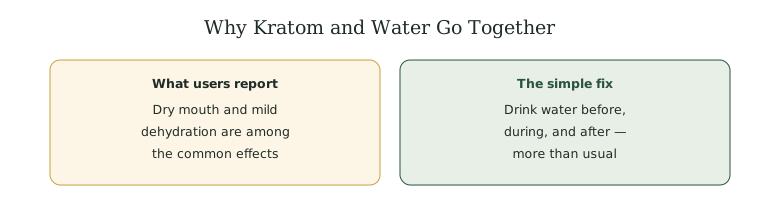
Dehydration-related effects are among the most commonly reported kratom side effects. An analysis of thousands of kratom-related social media posts identified dry mouth, dehydration, and constipation among the frequently discussed effects, with dry mouth and dehydration ranking high on the list, according to a 2021 machine-learning analysis of user reports by Wahbeh and colleagues. These are generally mild and manageable effects, not dangerous ones for most people, but they are real and worth addressing. The pattern is consistent enough across reports that making hydration a routine part of kratom use, rather than an afterthought, is sensible. The broader science context is in the kratom science resource.
The Mechanism
The reason kratom has a drying effect comes down to its pharmacology. Kratom's alkaloids have effects that can reduce secretions like saliva, producing the dry mouth many users notice, and this same general drying tendency contributes to feeling dehydrated. This is a mild, predictable effect rather than a dramatic one, but it means kratom nudges your body toward needing more fluid. Understanding this makes the solution obvious: since kratom tends to dry you out slightly, deliberately drinking more water offsets the effect. It is a simple input-output balance, and staying ahead of it is easier than catching up once dry mouth or a mild headache has set in.
A Simple Hydration Protocol
Good hydration around kratom does not require anything elaborate. Drink a glass of water before your serving, especially if using the toss-and-wash method, which naturally uses water anyway. Keep water on hand and sip through the hours after, since the drying effect persists as the alkaloids do. Aim to drink somewhat more than your normal daily intake on days you use kratom. If you notice dry mouth, that is your cue to drink more, not to ignore it. For most people, simply being a bit more deliberate about water throughout a kratom day prevents the mild dehydration effects entirely. It is the single easiest thing you can do to improve your experience.
The Constipation Question, Honestly
Constipation comes up often alongside hydration, and the honest evidence is more reassuring than the reputation suggests. While constipation is a commonly listed potential effect, a 2018 study in the Journal of Substance Use that formally assessed regular kratom users found that the large majority, about 94 percent, never experienced constipation, with only a small minority affected (Singh et al., 2018). So while kratom can contribute to constipation for some, especially at higher and more frequent use, it is not the near-universal problem some sources imply. Good hydration and adequate fiber help manage it when it does occur, which ties the constipation question directly back to drinking enough water.
Dose, Frequency, and Hydration
The drying and gastrointestinal effects are dose- and frequency-related, which connects hydration to overall use patterns. Survey work has found that adverse effects, primarily gastrointestinal, tend to appear more at higher servings and frequent use (Grundmann et al., 2022). This means the people most likely to face dehydration and gastrointestinal effects are those using large amounts many times a day. Keeping servings moderate, following the kratom dosage guide, and frequency low reduces these effects at the source, while good hydration handles what remains. The two strategies work together.
The Workout Crossover
Hydration becomes especially important when kratom meets exercise, which is worth flagging directly. Because exercise causes fluid loss through sweat and kratom adds its own mild drying effect, combining the two compounds the dehydration risk, covered in kratom and working out examined. Anyone using kratom around physical activity needs to be particularly aggressive about fluid intake. This crossover is also relevant to the next-day grogginess some people experience, covered in the kratom hangover explained, since dehydration is a major contributor to feeling rough afterward. Ground the fundamentals in kratom basics.
Electrolytes and Kratom
Beyond plain water, some people find electrolytes helpful with kratom, and there is sensible logic to it. When you drink more water to offset kratom's drying effect, especially around exercise, replacing electrolytes like sodium and potassium alongside the fluid can help your body actually retain and use that water rather than simply passing it. This matters most for anyone using kratom around heavy sweating or in hot conditions, where both fluid and electrolyte losses are higher. For ordinary daily use, plain water is usually enough, and there is no need to overthink it. But if you find that drinking large amounts of water alone still leaves you feeling depleted, adding an electrolyte source is a reasonable, low-cost adjustment. As with everything around hydration, the aim is simply to keep your body in balance, and electrolytes are one more tool for doing that when plain water is not quite covering it.
Signs You Need More Water
Your body signals dehydration clearly if you know what to watch for. Dry mouth is the most direct kratom-related sign, and it is an immediate cue to drink. Beyond that, a mild headache, darker urine, fatigue beyond what you would expect, and a general foggy feeling can all point to needing more fluid. These overlap with the next-day grogginess some people call a kratom hangover, which is part of why hydration addresses both. The practical habit is to respond to these signals rather than push through them, since catching dehydration early is far easier than recovering from it once a headache has set in. Paying attention to these cues turns hydration from a rule you follow into a responsive habit that keeps you comfortable.
The Bottom Line on Kratom and Hydration
Kratom has a mild drying effect, and dry mouth and dehydration are among the most commonly reported side effects, though generally mild. The fix is simple: drink more water than usual before, during, and after use, and use dry mouth as a cue to drink more. Constipation, often listed as a concern, actually affects a minority of regular users according to formal assessment, and good hydration helps manage it. Because these effects are dose- and frequency-related, moderate servings and low frequency reduce them at the source. Hydration matters most when kratom meets exercise or contributes to next-day grogginess. Drinking enough water is the easiest, cheapest way to improve your kratom experience.
Frequently Asked Questions
Does kratom dehydrate you?
Kratom has a mild drying effect, and dry mouth and dehydration are among the most commonly reported side effects. They are generally mild and easily managed by drinking more water than usual around your kratom use.
Does kratom cause constipation?
It can for some, especially at higher and more frequent use, but formal assessment of regular users found about 94 percent never experienced constipation. Good hydration and adequate fiber help manage it when it occurs.
How much water should I drink with kratom?
Drink a glass before your serving and sip water through the hours after, aiming for somewhat more than your normal daily intake on kratom days. Use dry mouth as a cue to drink more.