
Kratom and Working Out: Pre-Workout Claims Examined
Kratom and working out is a topic where user enthusiasm runs ahead of the evidence, and the honest picture includes real cautions worth taking seriously. Some people use kratom before exercise for energy or focus, or after for recovery, but there is no research establishing kratom as a workout aid, and exercise introduces specific risks around hydration and masked body signals. This page reviews what users report against what the evidence shows, covers the thermoregulation and hydration cautions honestly, and offers a verdict framework rather than a promise.
Claims Versus Evidence
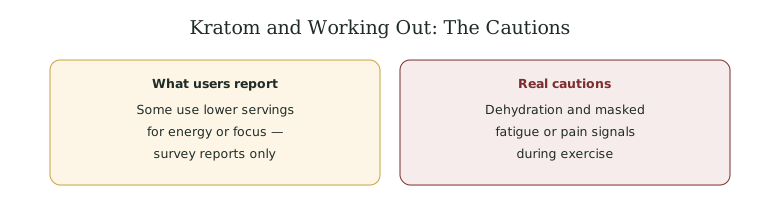
The claims around kratom and exercise are largely user-reported rather than studied. Some people report using lower servings for a sense of energy or focus before a workout, connecting to the survey-based energy reputation covered in kratom energy research. Others report using it for perceived recovery afterward. The honest framing is that these are self-reports, not proven effects, and there is no research establishing kratom as an effective pre-workout or recovery aid. Ground your serving in the kratom dosage guide. What follows is not an endorsement of kratom for exercise but an honest review of the reports alongside the genuine cautions that exercise adds.
The Hydration Caution
The most important exercise-specific concern is hydration. Kratom has a mild drying effect, and exercise causes fluid loss through sweat, so combining the two can compound dehydration. This matters because dehydration impairs performance and, in extreme cases, poses real health risks. Anyone using kratom around exercise needs to be especially attentive to fluid intake, drinking more water than usual to offset both the kratom and the sweat. The broader picture is in kratom and hydration. This is not a theoretical concern but a practical one, and it is the first thing to manage if you use kratom around physical activity.
The Masked-Signal Problem
A subtler but serious concern is that kratom may mask the body signals exercise depends on. Because kratom has reported effects on how people perceive discomfort, using it before or during a workout could dull the fatigue and pain signals that normally tell you to stop, rest, or adjust. Those signals exist for a reason, protecting you from overexertion and injury. Dulling them, even partially, could let you push past a safe limit without realizing it, raising injury risk. This is a genuine caution specific to combining kratom with physical exertion, and it is one that enthusiastic pre-workout framing tends to ignore entirely.
Thermoregulation Considerations
Exercise raises body temperature, and there are open questions about how kratom interacts with the body's temperature regulation. Combined with the dehydration concern, this means intense exercise in hot conditions while using kratom warrants extra caution, since both fluid balance and heat management are already stressed by the workout. The honest position is that the interaction is not well studied, which is itself a reason for caution rather than confidence. Anyone exercising hard in heat should be especially conservative about combining that with kratom, and should prioritize hydration and cooling regardless.
Timing Reports From Users
Among people who do use kratom around exercise, the timing reports vary and are worth noting as reports rather than recommendations. Some describe taking a lower serving well before a workout, aiming for the energizing end of kratom's reputation while avoiding the heavier, more sedating effects of larger amounts. Others describe using it afterward for a sense of recovery or to ease post-workout discomfort. There is no evidence establishing an optimal timing, and these patterns simply reflect what individual users have tried. If you experiment despite the lack of evidence, a lower serving well before activity is where the energizing reports cluster, but the cautions around hydration and masked signals apply regardless of timing. The absence of research here means any timing is trial and error, so keep careful notes and stay conservative rather than assuming a pattern that works for someone else will work for you.
An Honest Verdict Framework
Rather than a recommendation, here is a framework for thinking about it honestly. First, recognize that kratom is not a proven workout aid, so any use is experimental and based on personal reports rather than evidence. Secondly, take the hydration caution seriously, drinking extra water to offset both kratom and sweat. Thirdly, be wary of masked fatigue and pain signals, and do not push past limits you cannot fully feel. Fourthly, be especially cautious with intense or hot-weather exercise. Ground the fundamentals in kratom 101. If after weighing these you still choose to use kratom around exercise, do so conservatively, hydrate aggressively, and stay alert to signals you might otherwise miss.
Better-Studied Alternatives for Exercise
For anyone whose real goal is better workout performance or recovery, it is worth noting that far better-studied options exist. Proper hydration, adequate protein and overall nutrition, sufficient sleep, and a sensible training progression all have substantial evidence behind them and none of the cautions that come with kratom. Among supplements, caffeine has extensive research supporting its effects on endurance and perceived exertion, with a well-understood dose-response and no masking of injury signals in the way kratom is suspected of doing. These established approaches address the same goals kratom is sometimes reached for, but with real evidence and known safety profiles. This does not forbid anyone from experimenting with kratom, but it does frame that experiment honestly: it means choosing an unstudied option with specific exercise cautions over well-researched alternatives that accomplish the same aims. Naming that trade-off lets you decide with clear eyes rather than assuming kratom offers something the better-studied options do not.
The Bottom Line on Kratom and Working Out
Kratom and working out is an area of user enthusiasm without supporting evidence, and the honest picture is dominated by cautions rather than benefits. Some people report energy or focus at lower servings, but there is no research establishing kratom as a workout aid. Exercise adds real, specific concerns: compounded dehydration from kratom's drying effect plus sweat, the masking of fatigue and pain signals that protect you from injury, and open questions about temperature regulation. None of these is theoretical. If you choose to use kratom around exercise despite the lack of evidence, hydrate aggressively, respect the signals kratom might dull, and be especially careful with intense or hot workouts.
Frequently Asked Questions
Is kratom good for working out?
There is no research establishing kratom as a workout aid. Some users report energy or focus at lower servings, but these are self-reports, not proven effects, and exercise adds real cautions around hydration and masked signals.
Does kratom cause dehydration during exercise?
It can compound it. Kratom has a mild drying effect, and exercise causes fluid loss through sweat, so combining them can worsen dehydration. Anyone using kratom around exercise should drink extra water.
Is it risky to take kratom before a workout?
There are real cautions. Kratom may dull the fatigue and pain signals that protect you from overexertion and injury, and it can compound dehydration. Intense or hot-weather exercise warrants extra caution.