
Kratom Tinctures & Oils: What They Are and How to Judge One
Kratom tinctures are liquid extracts made by pulling the leaf's alkaloids into an alcohol or glycerin base. They are dosed by dropper, absorb relatively quickly, and offer a portable, measured way to take a concentrated form of kratom. Sometimes marketed misleadingly as "kratom oil," a true tincture is not an oil at all but an alcohol or glycerin solution. Understanding what a tincture is, how it differs from other concentrates, and how to dose it honestly by the dropper are the essentials of this format.
What a Tincture Actually Is
A kratom tincture is a liquid concentrate. The alkaloids are extracted from leaf into a solvent, most often alcohol, sometimes vegetable glycerin, producing a potent liquid taken in small amounts. The "kratom oil" name some vendors use is a misnomer, since a proper tincture is a solution, not an oil. Tinctures sit within the broader extract family, explained in the kratom extracts explained. Like all concentrates, a tincture packs far more mitragynine into a small volume than leaf powder, which is the source of both its convenience and its higher stakes.
Tincture vs Extract vs Shot
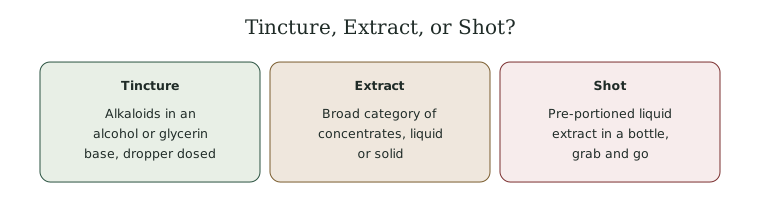
These three terms overlap, and separating them helps. A tincture is specifically an alcohol or glycerin liquid extract, usually in a dropper bottle. Extract is the umbrella term covering all concentrates, liquid and solid. A shot, covered in kratom shots explained, is a pre-portioned liquid extract in a single-serving bottle, made for grab-and-go use. So every tincture is an extract, a shot is a pre-portioned liquid extract, and the tincture's distinguishing feature is its dropper dosing and solvent base. The distinctions matter mainly for how you measure and control your serving.
Dropper Dosing, Honestly
The dropper is a tincture's convenience and its trap. Dropper dosing feels precise, but the actual amount of mitragynine per dropper depends entirely on the tincture's concentration, which varies by product. A "full dropper" from one tincture can be far stronger than from another. So the dropper measures volume, not a standard strength. Read the product's stated mitragynine content per milliliter or per dropper on the certificate of analysis, follow the kratom dosage guide for your target, and calculate accordingly. Never assume one dropper equals a safe or standard serving without checking the concentration.
Making a Tincture
Some people make their own tinctures, and the process is worth understanding even if you buy commercial ones. Tincture-making steeps kratom in alcohol to dissolve the alkaloids, then filters out the plant material, sometimes reducing the liquid to concentrate it. The full method is covered in how kratom extract is made. Homemade tinctures carry the same caution as any concentrate: without lab testing, you cannot know the exact strength, so a home tincture's potency is an estimate. Commercial tinctures with a certificate of analysis remove that guesswork, which is their main advantage over do-it-yourself versions.
The Higher Stakes of Tinctures
As a concentrate, a tincture carries the same elevated cautions as any extract. The small volume contains a large amount of mitragynine, so the margin for error is smaller than with leaf, and tolerance can build faster. Ground the fundamentals in kratom 101. Tinctures suit experienced consumers who already know their response to leaf, not newcomers. The dropper's ease of use can mask how concentrated the product is, which is exactly why reading the concentration and starting conservatively matter more here than with powder.
How to Buy Tinctures Well
Buy tinctures with concentrate-level scrutiny. First, find the certificate of analysis and read the mitragynine content per milliliter or dropper, not just a marketing strength claim. Secondly, check for clean solvent and contaminant screens, since extraction can leave residues. Thirdly, calculate your serving from the concentration rather than trusting a "one dropper" instruction. A tincture that publishes clear per-volume mitragynine figures is being honest. One that hides behind vague strength language and a dropper instruction is not giving you what you need to dose it safely.
Who Tinctures Suit
Tinctures fit experienced consumers who want a portable, quick, concentrated format and who respect the higher stakes of any extract. They suit someone who already knows their response to leaf, understands tolerance, and wants the convenience of a dropper bottle they can carry discreetly. They fit poorly for beginners, since the concentrated potency and the deceptively simple dropper remove the forgiving margin that leaf provides while someone is still learning. They also suit poorly anyone who wants the lowest cost, since concentrates command a premium over powder. The honest advice is that a tincture is a tool for the experienced, cautious consumer who values portability, not a starting point and not a shortcut past the learning that powder provides. Approached that way, it is a genuinely useful format for the right person.
Alcohol vs Glycerin Base
The choice of base is worth understanding, since it affects both the product and who it suits. Alcohol-based tinctures extract alkaloids efficiently and have a long shelf life, but they carry the alcohol itself, which some consumers prefer to avoid, and the alcohol content, though small per serving, is real. Glycerin-based tinctures are alcohol-free and sweeter-tasting, suiting those who cannot or will not take alcohol, though glycerin is a somewhat less efficient solvent. Neither base changes the fundamental caution that a tincture is a concentrate. The base is a preference and dietary consideration layered on top of the concentration, and reading the label tells you which you are buying so the choice is yours rather than a surprise.
The Bottom Line on Kratom Tinctures
Kratom tinctures are dropper-dosed liquid extracts made by pulling alkaloids into an alcohol or glycerin base, sometimes mislabeled as "kratom oil." They offer portability and quick absorption but concentrate the leaf, so they carry the higher stakes of any extract. The dropper measures volume, not standard strength, so the concentration on the certificate of analysis is what determines your actual serving. Buy tinctures that publish clear per-volume mitragynine figures, calculate your serving from that number, and approach them as an experienced-user format. Used with that care, a tincture is a convenient concentrate. Used casually, the easy dropper hides how much you are actually taking.
Frequently Asked Questions
Is a kratom tincture the same as kratom oil?
No. Despite the oil name some vendors use, a tincture is an alcohol or glycerin solution, not an oil. It is a liquid extract dosed by dropper.
How do I dose a kratom tincture?
The dropper measures volume, not a standard strength. Read the mitragynine content per milliliter or dropper on the certificate of analysis, then calculate your serving. Never assume one dropper is a standard serving.
Are tinctures stronger than powder?
Yes. As a concentrate, a tincture packs far more mitragynine into a small volume than leaf powder, which means a smaller margin for error and faster tolerance. They suit experienced consumers.